 Apparel Boxes
 Soap Boxes
 Candle Boxes
 Bakery Boxes
 Cosmetic Boxes
 Cardboard Boxes
 Vape Boxes
 Pillow Boxes
 CBD Boxes
 Cigarette Boxes
 Hair Extension Boxes
 Retail Boxes
 Hemp Boxes
 Display Boxes
 Jewelry Boxes
 Food Boxes
 Die Cut Boxes
 Toy Boxes
 Window Boxes
 Corrugated Boxes
 Kraft Boxes
 Rigid Boxes
 Mailer Boxes
 Mylar Bags
 Gift Boxes
 Seasonal Boxes
 Custom Labels
 Custom Sticker
 Sport Boxes
 Foldable Boxes
 Gable Boxes
 Insert Boxes
 Sleeve Boxes
 Tuck Boxes
 Tin Packaging
 Tube Packaging
 Small Boxes
Custom Soap Sleeves
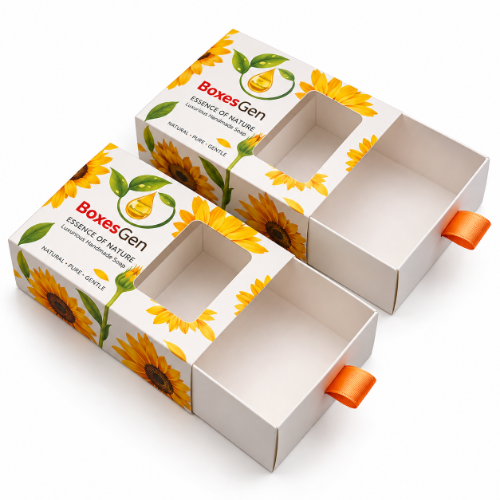
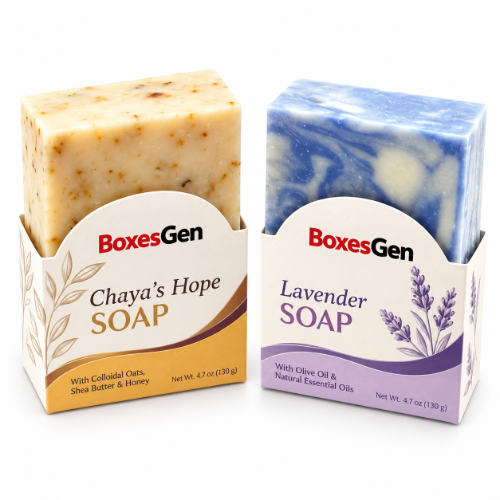
Slide your finished soap into a personalized paperboard sleeve and create a branded presentation without enclosing the entire bar. BoxesGen manufactures custom soap sleeves with open ends, customized dimensions, and printed panels that complement the appearance of your product.
Choose natural kraft or white cardstock, adjust the sleeve coverage, and personalize your artwork with logos, fragrance names, illustrations, and supplied product information. Discuss preformed sleeve options for convenient application during packing. Order custom printed soap sleeves with low minimum quantities, wholesale pricing, free design assistance, and free shipping across the USA.
Availability: In stock
Start From: $0.90 $0.10 per item
Why BoxesGen
- Custom Packaging Made to Fit
- Custom Printing & Branding
- A Range of Box Styles
- Expert Packaging Support
- Quality Materials & Finishes
- Transparent Pricing – No Hidden Fees
Send Us Inquiry




Design
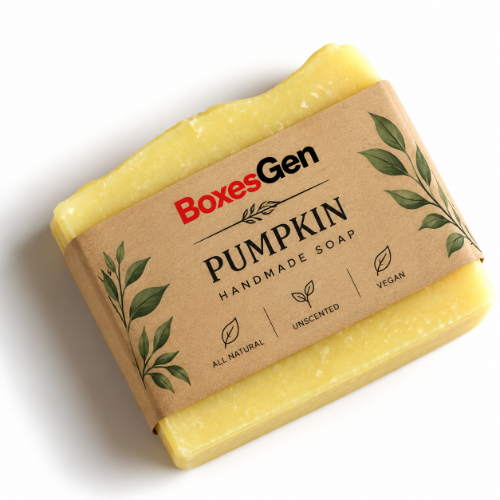
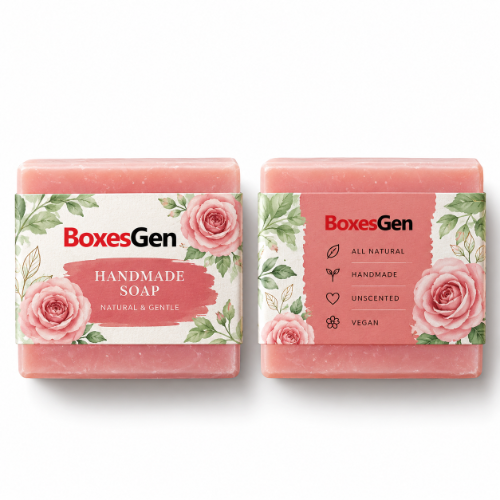
At BoxesGen, we can design Custom Soap Sleeves in any shape, size, and style.

Here, we can print Custom Soap Sleeves with custom artwork, illustrations, and colors.

Production
Buy Custom Soap Sleeves from BoxesGen at wholesale rates, low MOQs, and free delivery.
| Box Style | Custom Soap Sleeves |
| Dimension (L + W + H) | All Custom Sizes & Shapes |
| Quantities | Low Minimum Order Quantity |
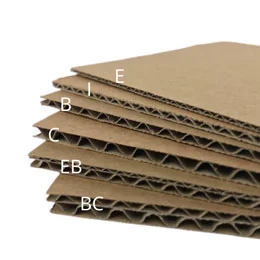
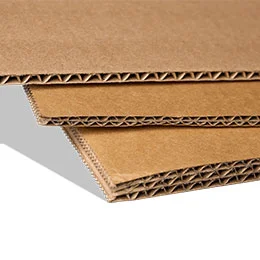
| Stock | 10pt to 28pt (60lb to 400lb) Eco-Friendly Kraft, E-flute Corrugated, Bux Board, Cardstock |
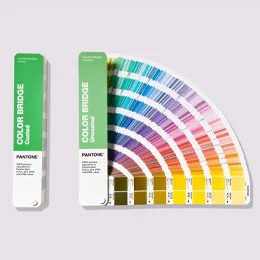
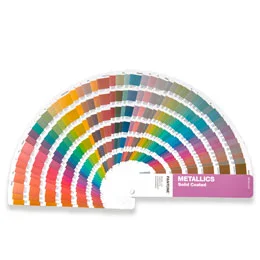
| Printing | No Printing, CMYK, CMYK + 1 PMS color, CMYK + 2 PMS colors |
| Finishing | Gloss Lamination, Matte Lamination, Gloss AQ, Gloss UV, Matte UV, Spot UV, Embossing, Foiling |
| Included Options | Die Cutting, Gluing, Scoring, Perforation |
| Additional Options | Eco-Friendly, Recycled Boxes, Biodegradable |
| Proof | Flat View, 3D Mock-up, Physical Sampling (On request) |
| Turnaround | 2 - 4 Business Days, RUSH |
| Shipping | FREE |
Slip-On Packaging Made Around Your Finished Soap
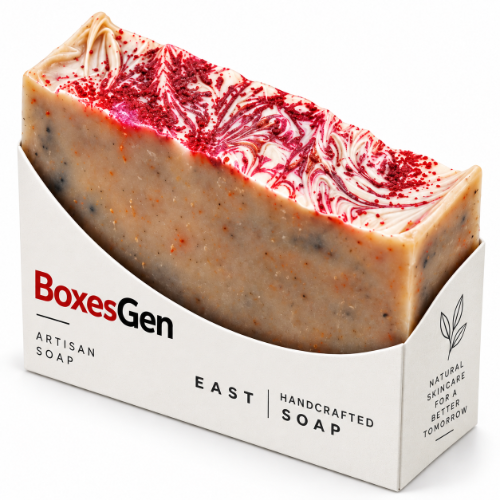
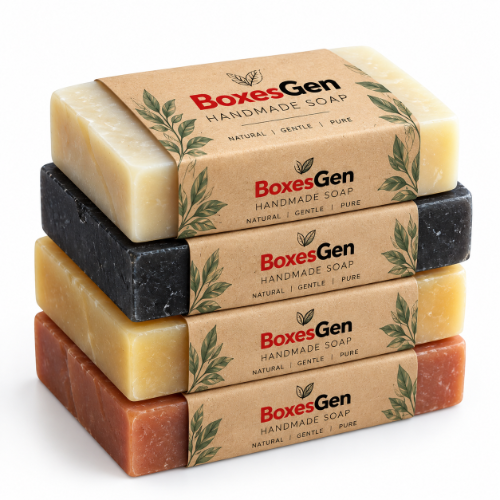
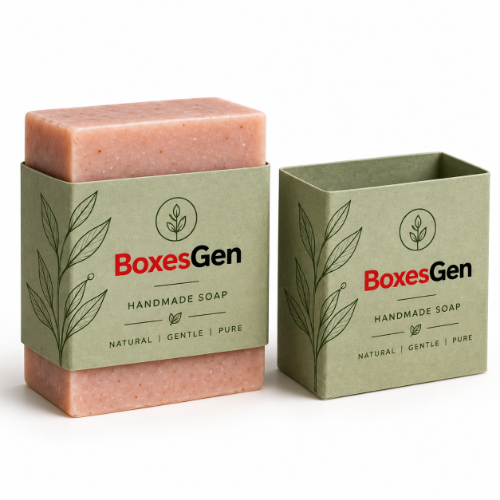
A fitted paperboard sleeve offers an alternative to manually wrapping every soap bar or placing it inside a fully enclosed carton. Its open ends leave selected areas of the soap visible, while the surrounding panels provide a continuous surface for printed branding.
BoxesGen creates custom soap sleeves according to the proportions of your finished bar. Whether you manufacture rectangular handmade soaps, facial cleansing bars, or solid shampoo products, we can develop a sleeve that complements their dimensions and intended retail presentation.
Choose the Amount of Coverage Your Soap Needs
The sleeve width determines how much of the product remains visible and how much space is available for your artwork. A medium width sleeve can frame the central portion of the bar, while a wider design provides additional room for branding and product information.
For products with decorative tops or distinctive edges, position the sleeve so these details remain visible. If your design requires only a narrow printed strip that is wrapped and secured around the soap, our custom soap bands offer a simpler alternative.
Get the Internal Sleeve Dimensions Right
A sleeve should slide over the soap comfortably without excessive movement once it is in position. An overly tight construction may catch on the edges of the bar, while a loose sleeve can shift during ordinary handling.
When requesting your custom design, provide the maximum width and thickness of the finished soap in the intended insertion direction. Also specify the desired sleeve length and include any paper or film wrapping that will remain around the product.
For handmade soaps, measurements from several fully cured bars can help account for normal dimensional variations. A physical sample is particularly useful for evaluating insertion clearance, paperboard folding, and the position of the sleeve on the finished product.
Consider How Your Sleeves Will Be Supplied and Applied
If your business packages soaps regularly, the assembly method can be just as important as the printed design.
A preformed sleeve with a joined side seam can be opened into shape and slipped over the product. Where available, supplying these sleeves in a flattened configuration may simplify storage before packing.
Alternatively, an unglued construction allows you to form and secure the sleeve around the bar yourself. Discuss your preferred assembly method, seam position, and delivery configuration with our team before approving the structural design.
For products that require a separate protective paper covering, explore our custom soap wraps to complement the outer sleeve.
Paperboard Selection for a Clean, Defined Shape
Natural kraft paperboard works well for understated designs, botanical patterns, and traditional soap collections. White cardstock offers a brighter printing surface for colorful illustrations and detailed typography.
The selected stock needs to fold accurately at the corners while maintaining its intended shape. Very lightweight paper may behave more like a flexible wrapper, while excessively thick board can make a small sleeve difficult to assemble.
Discuss suitable material thicknesses and scoring requirements according to your soap dimensions, preferred coverage, and assembly method.
Design Your Artwork Across the Sleeve Panels
Use the front panel for your brand logo, soap variety, and main illustration. The side and back panels can accommodate supplied ingredients, net quantity, business details, and other applicable product information.
For artwork that continues around the sleeve, consider where the folds and joined seam will sit. Keep important lettering away from these areas and review how the design aligns once the sleeve has been formed.
BoxesGen offers personalized printing, matte and gloss finishes, metallic foil, embossing, and spot UV according to the selected material and artwork. Simple printed designs without additional lamination can also be considered.
Know When a Sleeve Needs Additional Product Coverage
Open-ended sleeves are designed primarily for branding, presentation, and partial surface coverage. They do not provide the same enclosure as a conventional soap carton.
If your soaps require protection from dust, direct handling, or oil transfer, evaluate suitable inner wrapping or additional packaging. For online orders, use an appropriate outer shipping carton to help keep the product protected during transportation.
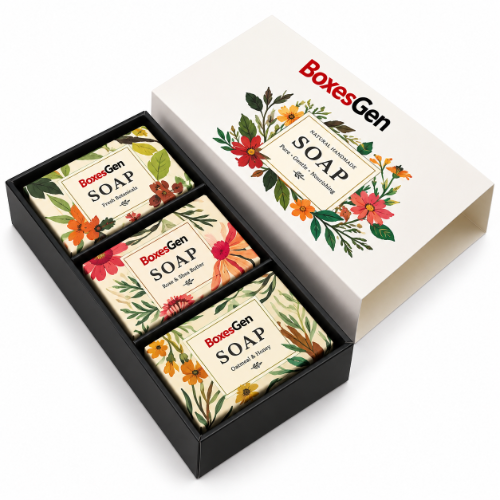
Businesses looking for a separate product holding tray can explore our custom soap sleeve and slide drawer boxes, which combine an outer sleeve with a sliding inner component.
Request Wholesale Soap Sleeves for Your Business
Share your finished soap measurements, preferred sleeve width, material, artwork, required quantity, and intended assembly method. If you need different designs for several fragrances, include the quantity required for each artwork version.
BoxesGen offers free design assistance, digital mockups, physical sampling upon request, and free shipping across the USA. Request your personalized wholesale quotation and develop a sleeve that fits both your product and packing process.
Artwork Preparation Guide
At BoxesGen, our Artwork Preparation Guide helps ensure your custom packaging design is print-ready for high-quality results. To get started, submit vector files (AI, EPS, or PDF) in CMYK color mode, with a 1/8 inch bleed and 300 DPI resolution. Convert all text to outlines and keep it at least 1/4 inch from the edges. Review your proof to ensure accuracy before submitting. Following these steps will guarantee your design is perfectly printed on your custom boxes.
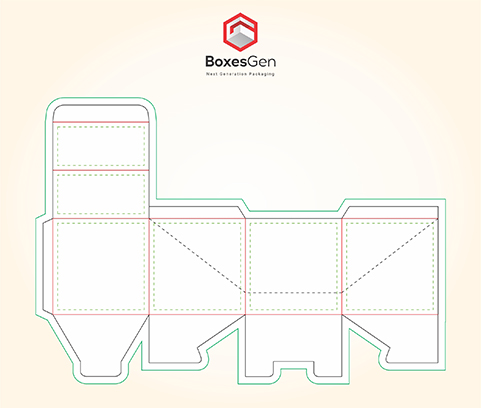
Cut Line (Black Lines):
The cut line is the outline that marks where your custom packaging will be trimmed. It is typically represented by a solid black line in your artwork file.
Perforation (Dotted Black Lines):
Perforation lines, shown as dotted black lines, indicate where the box will have small, evenly spaced holes for easy tearing or separation. These are often used for tear-away sections.
Bleed Line (Green Lines):
The bleed line is the area extending beyond the cut line, usually marked with a green line in your artwork. Typically, a 1/8 inch (0.125") bleed is required to prevent any unwanted white borders.
Safety Margin (Dotted Green Lines):
The safety margin, marked by dotted green lines, is the area around the cut line where important elements (such as text, logos, or graphics) should be kept clear.
Crease Line (Red Lines)
The crease line, marked by red lines in your artwork, indicates where the box will be folded during production.