
 Apparel Boxes
 Soap Boxes
 Candle Boxes
 Bakery Boxes
 Cosmetic Boxes
 Cardboard Boxes
 Vape Boxes
 Pillow Boxes
 CBD Boxes
 Cigarette Boxes
 Hair Extension Boxes
 Retail Boxes
 Hemp Boxes
 Display Boxes
 Jewelry Boxes
 Food Boxes
 Die Cut Boxes
 Toy Boxes
 Window Boxes
 Corrugated Boxes
 Kraft Boxes
 Rigid Boxes
 Mailer Boxes
 Mylar Bags
 Gift Boxes
 Seasonal Boxes
 Custom Labels
 Custom Sticker
 Sport Boxes
 Foldable Boxes
 Gable Boxes
 Insert Boxes
 Sleeve Boxes
 Tuck Boxes
 Tin Packaging
 Tube Packaging
 Small Boxes

If you have ever unboxed a luxury watch or received a premium gift box, you have likely encountered rigid stock that is known for its sturdy feel and high-end presentation. This stock plays a major role in packaging, where both durability and brand perception matter. But what exactly is rigid stock, and how is it different from other materials like cardboard or corrugated paper?
In this blog, we will discuss everything you need to know about rigid stock, from its composition and benefits to its uses in custom packaging.
Understanding Of Rigid Stock
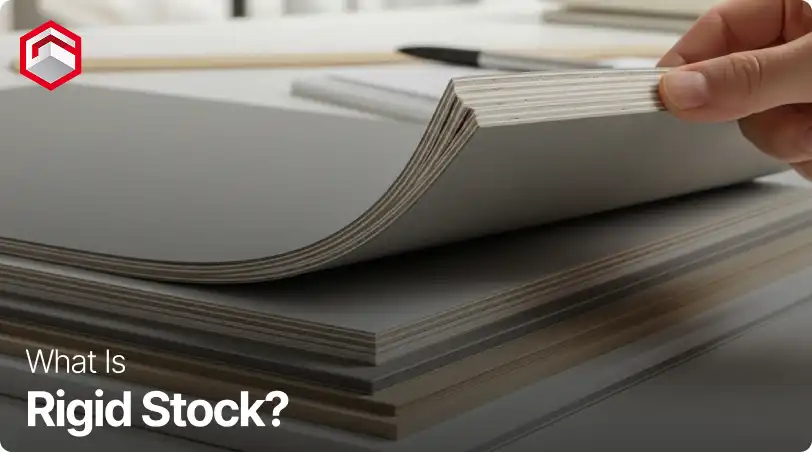
Rigid stock, also known as rigid board, is a dense, paper-based material used primarily for luxury and premium packaging, and unlike folding carton or corrugated materials, rigid stock is not bendable or foldable once formed. It offers a solid structure and is usually laminated or wrapped with decorative paper or fabric to improve aesthetics.
This material is a favorite for businesses that want to deliver a premium unboxing experience and protect delicate or high-value products.
Rigid Stock Composition
It is made by compressing several layers of paperboard or chipboard, resulting in a thick board typically ranging from 36 pt to 120 pt in thickness, and does not have fluted layers like corrugate material, making it smooth and solid throughout.
Once cut to size, it is wrapped in printed paper, fabric, or textured sheets, which serve both functional and decorative purposes.
Key Characteristics Of Rigid Stock
It is a well-known material for its impressive features that improve the packaging appeal and strength. Its core features are:
- High density of these boxes offers resistance against crushing, denting, and tearing
- Non-collapsible nature maintains its shape permanently once constructed
- Luxury appearance of these boxes offers high-end finishes like foil stamping or embossing
- Customizability makes them easy to wrap, print, or add specialty materials.
Why Should You Use Rigid Materials?
This material is most suitable when you want to improve the product’s perceived value or ensure superior protection. It’s not ideal for shipping bulk items due to its weight, but for individual product presentation, it’s unmatched.
Ideal for:
- High-end electronics like phones or headphones
- Luxury jewelry and watch boxes
- Custom gift sets or PR kits
- Premium retail products
- Board games or collectors’ editions
- Premium retail products (e.g., cosmetics, perfumes)
Popular Rigid Box Types
Rigid materials can be used to craft any type of box, each designed for a unique user experience. A popular type of rigid box is:
- Two-piece boxes have a lid and a base, and are commonly used for tech and apparel packaging
- Magnetic closure boxes have built-in magnetic flaps for an elegant unboxing feel
- Drawer boxes have a tray that slides out and offers a layered presentation, and are also known as sleeve and tray boxes
- Book-style boxes that open like a hardcover book and are ideal for brand storytelling
- Rigid setup boxes with inserts having custom die-cut foam or paperboard inserts for a perfect fit
Benefits Of Using Rigid Stock In Packaging
Investing in rigid stock packaging goes beyond aesthetics; it adds value, protection, and brand differentiation, especially in competitive industries.
- Brand perception: improves the luxury appeal and sets the tone for the product inside
- Durability: provides unmatched resistance to pressure and external damage
- Design flexibility: supports high-end finishes like embossing, UV coating, metallic foils, and soft-touch laminates
- Customer experience: turns the unboxing into a memorable, tactile event that increases perceived value
Rigid Stock Vs Other Packaging Materials
Rigid vs corrugated
Rigid is a premium and luxury packaging option, having 1-3 mm thickness and is non-collapsible, while corrugated boxes are basic and collapsible shipping boxes, having variable thickness.
Rigid vs foldable cartons
Foldable boxes are collapsible relative to rigid boxes and are thin, used generally for retail purposes, having moderate and protective packaging.
Industries Relying On Rigid Packaging
Several premium industries consider rigid stock packaging essential due to the expectation of luxury, product safety, and visual appeal. These boxes have uses in:
- Cosmetics and skincare to give luxury packaging to cream jars and custom serum kits
- Jewelry and watches are offered in velvet-wrapped boxes with inserts
- Tech-gadgets and accessories featuring sleek magnetic boxes for phones and headphones
- Fashion and apparel are enjoying the setup boxes for shoes, ties, and scarves
- Confectionery and gourmet food like chocolate boxes and premium gift hampers
- Publishing and collectibles for box sets, board games, and collectors’ editions
Customization Options With Rigid Stock
Rigid stock is not just strong, it’s also highly customizable; it serves as a blank canvas for your brand to tell its story. The available customization features are:
- Surface wraps: printed paper, textured fabric, suede, or leatherette
- Print techniques: offset printing, digital printing, or screen printing
- Luxury finishes: gold/silver foil stamping, spot UV, matte/gloss lamination
- Structural options: magnetic locks, ribbon pulls, or multi-layer designs
Environmental Considerations
Rigid stock is made primarily from paper-based sources, and many manufacturers now offer FSC-certified or recycled options. Although it uses more material than folding cartons, rigid boxes are often reused by customers due to their durability and appeal, extending their shelf life cycle and reducing waste. To improve sustainability, brands can choose:
- Recycled chipboard or core material
- Soy-based or water-based inks for printing
- Eco-friendly surface wraps made from kraft or recycled paper
Limitations Or Challenges
Despite its premium appeal, rigid stock does have certain drawbacks depending on your business model or shipping needs. Things to consider:
- A heavier weight can increase shipping costs
- Non-collapsible structure requires more storage space than folding cartons
- Higher unit cost due to labor-intensive manufacturing
These challenges can be ignored, keeping the perks like product perception, customer satisfaction, and brand prestige in mind.
Conclusion
Rigid stock has redefined how brands present themselves in the modern retail world. It communicates luxury, care, and sophistication, often before the product is even revealed. With its sturdy structure and high-end finishes, it becomes part of the product experience itself, whether you are launching a new cosmetics line, designing influencer kits, or crafting premium jewelry boxes. Rigid stock gives your brand a unique edge in a market where presentation can make all the difference.
 Facebook
 Twitter
 LinkedIn
 Pinterest