 Apparel Boxes
 Soap Boxes
 Candle Boxes
 Bakery Boxes
 Cosmetic Boxes
 Cardboard Boxes
 Vape Boxes
 Pillow Boxes
 CBD Boxes
 Cigarette Boxes
 Hair Extension Boxes
 Retail Boxes
 Hemp Boxes
 Display Boxes
 Jewelry Boxes
 Food Boxes
 Die Cut Boxes
 Toy Boxes
 Window Boxes
 Corrugated Boxes
 Kraft Boxes
 Rigid Boxes
 Mailer Boxes
 Mylar Bags
 Gift Boxes
 Seasonal Boxes
 Custom Labels
 Custom Sticker
 Sport Boxes
 Foldable Boxes
 Gable Boxes
 Insert Boxes
 Sleeve Boxes
 Tuck Boxes
 Tin Packaging
 Tube Packaging
 Small Boxes

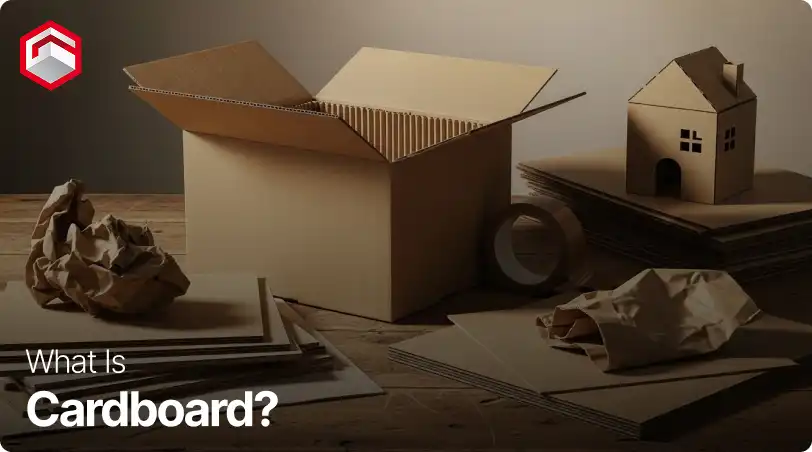
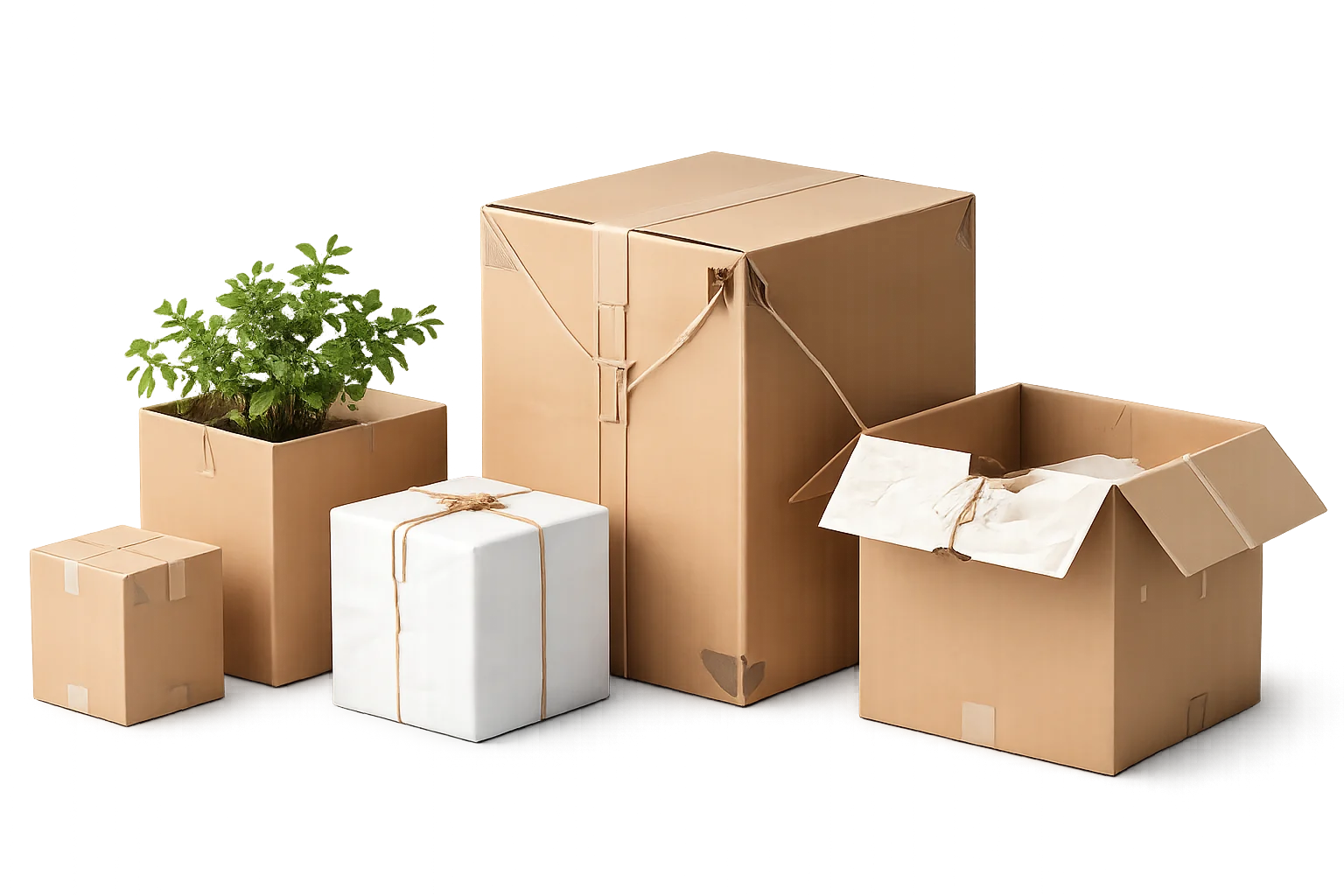
In the field of packaging, cardboard is everywhere whether it is for delivery boxes or packaging of your favorite products, but have you ever wondered why this material holds so much importance in the field of packaging? Then we got the answer for your queries. Whether you are a curious consumer, a business owner, or a packaging brand, understanding cardboard helps you make more informed, sustainable, and practical choices.
The purpose of this guide is to break down the basics of cardboard in a clear and meaningful way. Cardboard is the material that empowers businesses, supports commerce, and also contributes to sustainability when used wisely. By reading this blog, you will be able to answer what is cardboard, how it is made, types of cardboard, and its application that makes it a popular choice across the world.
Definition of Cardboard
Let’s start with the basic knowledge of the term cardboard, as it is a generic term used to describe heavy-duty paper-based material that is thicker, durable, and stiffer than regular paper. It is not just a single material, but it’s a whole niche and refers to different products like paperboard, corrugated fiberboard, and cardstock. They are categorized by the way they are used and their structure. It is made of compressed layers of paper pulp derived from wood chips or recycled paper, and the thickness and rigidity depend upon the type and intended use. But what differentiates them from others is their strength and versatility.
Types of Cardboard
Though there are many types of cardboard, understanding different types and their characteristics is very important. The types that are generally used are:
- Corrugated Fibreboard – This is the most common and widely used type of cardboard and is used for shipping boxes. It has a fluted layer sandwiched between two flat linerboards, and this specialized structure adds strength and cushioning that makes them ideal for protecting items during transit.
- Paperboard or Chipboard – This type is thinner than corrugated and has a single layer used for different products like cereal boxes, tissue boxes, and folding cartons. It has less durability than corrugated but has excellent features for retail packaging, being smooth and flexible.
- Cardstock – This type has vast demands in invitations, greeting cards, and business cards. It is heavier than normal paper but relatively lighter than chipboard and is recommended because of its aesthetic finish and printability.
- Greyboard and Kraftboard – This one has its base from recycled material and is commonly used in book covers or rigid boxes. Kraft, on the other hand, is made from virgin wide pulp and is appreciated for its strength and eco-friendly appeal.
Cardboard Manufacturing
The manufacturing process is simple and starts with turning the wood chips or recycled paper into a pulp that is followed by pressing and drying it into sheets of paper. If it is corrugated cardboard, one sheet is crimped to make the fluted layer, which is then glued between two flat sheets. These sheets are then cut, folded, and glued to form boxes or other structures. Precision and accuracy are ensured by advanced machinery, and recycled content is being added to reduce environmental impact. Many manufacturers today focus on using renewable energy and water-efficient processes to reduce the carbon footprint of cardboard production.
Cardboard Uses
Versatility is the biggest strength of cardboard boxes, and they are used across almost every industry for different purposes. This includes packaging and displays to art and architecture. In retail and e-commerce, cardboard is considered as a standard for shipping boxes, point of sales displays, and protective sleeves. It is also used in electronics and food industries to create custom inserts, partitions, and wraps. Beyond packaging, cardboard is used in educational purposes, advertising materials, and even in furniture designing because of its lightweight and adaptable nature.
Recently, it has also gained popularity in sustainable designs and is used as an eco-friendly alternative for packaging and other uses.
Environmental Impact and Sustainability
One of the reasons for cardboard’s popularity is its eco-friendliness, as it offers biodegradability, recyclability, and is often made with post-consumer materials. Unlike plastics, cardboard requires no additional additives for breakdown and causes no long-term pollution when disposed of properly. Recycling helps save trees, water, and energy. Producing recycled cardboard uses 75 percent less energy than creating new cardboard. Cardboard has replaced plastic in many industries and appeals more to customers that are eco-conscious and environmentally aware. However, some cardboard that is wax-coated or heavily printed cannot be recycled.
Why Is Cardboard Essential in Packaging?
Cardboard is the backbone of modern packaging as it is cost-effective, printable, and protective. It is also easy to cut, fold, and customize, which allows businesses to create unique and convenient packaging boxes that improve the unboxing experience. Unlike rigid materials, it also reduces shipping costs because it is lighter in weight. As it is printable, it also allows full-color design, logos, product information, and branding to be displayed directly on the box surface.
In short, it assists in protecting products, promoting brands, and supporting sustainability, while being affordable and accessible.
Innovations in Cardboard
To meet modern demands, the cardboard industry is evolving day by day. Today, water-resistant cardboard coatings, flame-retardant treatments, and even smart packaging with QR codes and sensors are introduced. Designers are also using laser-cut technology that can turn your packaging into a box with intricate displays and folding mechanisms.
In the highly competitive packaging world, cardboard is now being engineered to hold liquids, store temperature-sensitive items, and fold into complex shapes without compromising strength. These innovations show how cardboard is adapting to new market trends.
Challenges and Limitations
Besides many advantages, cardboard also has some limitations:
- It can lose strength when exposed to water, despite being water-resistant.
- Heavy or sharp products require extra protection or alternatives.
- It can degrade over time if exposed to humidity or direct sunlight.
- Storage and recycling require proper handling—flattening used boxes, removing tapes, and keeping them dry is essential for their integrity.
Conclusion
Summarizing the information, cardboard is a powerful material that supports global commerce, businesses, protects our goods, enables creative expression, and paves the way for sustainable packaging solutions. Whether you are running an e-commerce business or simply curious about what’s behind the packaging you see every day, cardboard deserves a closer look.
Its versatility, recyclability, and affordability make it one of the most valuable materials in the packaging and manufacturing world. As industries shift toward sustainability, cardboard will continue to play a leading role in shaping how we ship, store, and showcase products.
 Facebook
 Twitter
 LinkedIn
 Pinterest