 Apparel Boxes
 Soap Boxes
 Candle Boxes
 Bakery Boxes
 Cosmetic Boxes
 Cardboard Boxes
 Vape Boxes
 Pillow Boxes
 CBD Boxes
 Cigarette Boxes
 Hair Extension Boxes
 Retail Boxes
 Hemp Boxes
 Display Boxes
 Jewelry Boxes
 Food Boxes
 Die Cut Boxes
 Toy Boxes
 Window Boxes
 Corrugated Boxes
 Kraft Boxes
 Rigid Boxes
 Mailer Boxes
 Mylar Bags
 Gift Boxes
 Seasonal Boxes
 Custom Labels
 Custom Sticker
 Sport Boxes
 Foldable Boxes
 Gable Boxes
 Insert Boxes
 Sleeve Boxes
 Tuck Boxes
 Tin Packaging
 Tube Packaging
 Small Boxes

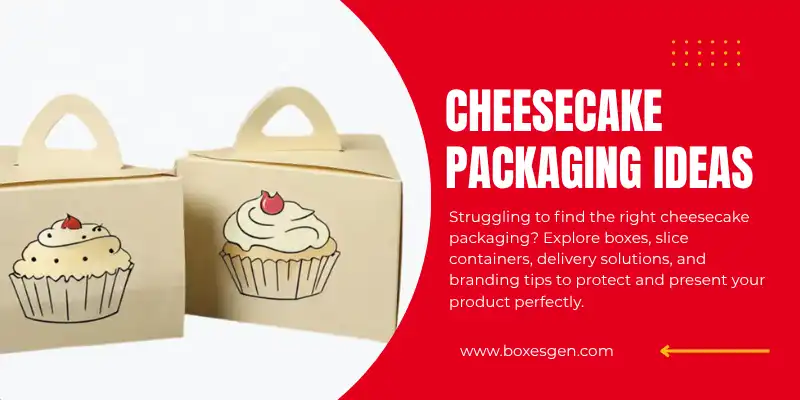
There is a moment every cheesecake baker or brand faces. The product looks stunning, it tastes incredible, but the packaging completely lets it down. The box collapses during transit. The lid fogs up and hides the presentation. The design does not communicate the premium quality inside. And just like that, a five-star product creates a one-star experience.
Cheesecakes are one of the most packaging-sensitive food products on the market. They are dense but delicate. They need temperature control, structural support, moisture resistance, and a presentation that matches the indulgence of the product itself. Choosing the wrong packaging does not just risk the product; it risks your brand reputation with every single order.
This guide covers everything: materials, formats, structural features, branding tips, and the mistakes most brands make when packaging cheesecakes. Whether you are running a home bakery, scaling a dessert brand, or launching a gourmet gifting line, this is the resource you need to get it right.
Why Cheesecake Packaging Demands More Than a Standard Box
Most food packaging is designed around solid, stable products. Cheesecake is neither fully solid nor stable at room temperature. It sits in a category of its own, heavy enough to need strong structural support, moist enough to require barrier protection, and visually striking enough to demand presentation-first packaging design.
Here is what makes cheesecake packaging uniquely challenging compared to other baked goods:
- Weight and density. A whole cheesecake can weigh between 700g and 2kg, depending on size and recipe. Standard cake boxes made from thin cardboard often buckle under that weight, especially during delivery.
- Moisture sensitivity. Cheesecakes release moisture over time. Without the right lining or breathability balance, condensation builds up inside the packaging, making the surface look wet or damaged, even when the product is perfectly fine.
- Temperature vulnerability. Cheesecakes must stay chilled. The packaging needs to either maintain cold temperature during short transit windows or integrate with insulated outer packaging for longer delivery routes.
- Visual presentation. Unlike a wrapped brownie or sealed cookie bag, a cheesecake is a centrepiece product. The packaging has to show it off, not just contain it.
Getting all of this right simultaneously is where most packaging decisions fall apart. Understanding each requirement before choosing a format is the most important step you can take.
Core Packaging Materials for Cheesecakes
Before getting into specific packaging ideas, it helps to understand which base materials actually work for cheesecake and why. Not every material is suitable, and choosing the wrong one is one of the most common and costly errors brands make.
Rigid Cardboard and Kraft Board
This is the most widely used material for cheesecake boxes and for good reason. Corrugated or thick kraft boards provide excellent structural integrity. It holds its shape, resists compression, and can be printed with high-quality branding. For whole cheesecakes, a rigid board box with a separate lid is the standard format across the industry.
The critical specification here is board thickness. A single-layer thin board will not hold a heavy cheesecake safely. Opt for double-wall corrugated construction or premium rigid board with a grammage of at least 350gsm for the base. The lid can use a slightly lighter board, but the base must be reinforced.
Food-Grade Plastic Containers
Rigid plastic containers, particularly clear ones, work exceptionally well for individual cheesecake slices, mini cheesecakes, and single-serve formats. The transparency lets the product speak for itself on retail shelves or in delivery bags. Clear PET containers with snap-on lids offer tamper evidence, moisture protection, and portion control all in one.
The trade-off is sustainability. Single-use clear plastic is increasingly difficult to justify from a branding and environmental standpoint. If going this route, look for rPET (recycled PET) options or ensure your clear containers are recyclable and labelled as such.
Acetate and Windowed Inserts
Acetate is a food-safe transparent plastic sheeting used to create windows in cardboard boxes or as cylindrical sidewalls for dome-lidded presentations. It is commonly used in premium cheesecake packaging to allow full product visibility without the environmental trade-offs of an all-plastic container. An acetate cylinder with a cardboard base and lid creates a distinctive, high-end look that works particularly well for no-bake cheesecakes and layered presentations.
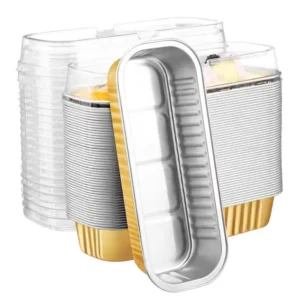
Aluminium Foil Trays
Foil trays are underused in premium cheesecake packaging but genuinely worth considering. They offer excellent temperature retention, are reusable by the customer, and carry a premium, classic bakery aesthetic. Many high-end cheesecake brands use foil trays for their whole cakes, particularly for seasonal or gifting ranges. They are not ideal for branding-heavy packaging since printing on foil is limited, but paired with a printed sleeve or outer box, they are extremely effective.
Bio-Based and Compostable Options
For brands targeting eco-conscious consumers, compostable sugarcane (bagasse) trays and kraft-lined compostable boxes have improved significantly in quality. They handle moisture better than early iterations, and the raw, natural aesthetic aligns well with artisan bakery branding. The limitations are higher cost and lower visual impact for photographic presentations, but for the right brand, they are worth the premium.
The Best Cheesecake Packaging Ideas by Product Type
Different cheesecake formats need fundamentally different packaging approaches. A whole celebration cheesecake and a grab-and-go slice have nothing in common from a packaging perspective.
Whole Cheesecake Packaging
Rigid Lift-Off Lid Box with Base Board Insert
The most reliable format for whole cheesecakes is a rigid box with a separate lift-off lid and an internal base board or cake drum. The internal board keeps the base of the cheesecake stable and prevents the box base from flexing under weight. The lift-off lid means the customer can remove the top cleanly without disturbing the product.
Key design consideration: the internal depth of the box must allow for toppings and garnishes without the lid pressing down on the surface. For cheesecakes with fruit compotes, glazes, or decorative elements, always add at least 3–4cm of clearance between the product height and the underside of the lid.
Acetate Windowed Cake Box
For products that deserve visual emphasis at the point of sale, a box with a clear acetate window panel in the lid or side offers the best of both worlds. The structural protection of cardboard is combined with the visual impact of full product visibility. These work especially well for cheesecakes with premium toppings, caramel drizzle, berry coulis, and edible flowers, where the visual is genuinely a selling point.
Premium Rigid Gift Box with Ribbon Closure
For gifting ranges, corporate orders, or celebration formats, a magnetic closure rigid box with a ribbon or grosgrain band creates a completely different customer experience. The unboxing moment becomes part of the product itself. These boxes cost more to produce but command higher retail prices and significantly higher perceived value. For a cheesecake positioned at the premium gifting end of the market, this is the format to consider.
Cheesecake Slice Packaging
Triangular Clear Plastic Slice Box
Individual slice packaging is dominated by triangular clear PET containers for good reason. They are portion-accurate, stackable, easy to label, and give full product visibility. The format is now so established in the dessert market that consumers immediately associate it with a quality grab-and-go product. For cafes, delis, and foodservice operations, this is the most practical choice.
Look for containers with anti-fog lining if a refrigerated display is involved. Standard clear PET fogs up in cold cabinets, hiding the product. Anti-fog options maintain clarity and keep the presentation clean throughout the display period.
Kraft Sleeve with Clear Base
A more branded and tactile alternative to full clear containers is a kraft paper sleeve over a clear base tray. The sleeve carries all your branding, ingredients, and allergen information, while the clear base lets the customer see the slice profile. It creates a more premium, bakery-crafted feel than a full plastic container and is more sustainable to produce.
Folded Cake Box with Window Patch
For bakeries wanting to maintain a consistent branded box format across their whole range, a small folded cake box with a window patch in the lid works well for slices. Less visually impactful than full clear containers, but more brand-consistent and easier to customize with printed designs.
Mini Cheesecake and Individual Portion Packaging
Individual Ramekins or Pots with Film Seal
Mini cheesecakes made in individual pots or ramekins are increasingly popular for gifting sets and subscription boxes. Glass or ceramic ramekins with a heat-sealed or snap-on film lid create an extremely premium product. The container doubles as the serving dish, which adds value for the customer. The packaging consideration here shifts to the outer box or gift set presentation rather than the individual unit itself.
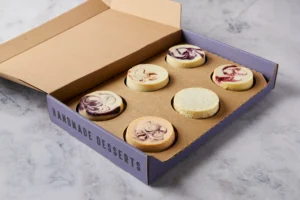
Blister Tray Sets
For multi-pack mini cheesecake formats, three or six individual portions, a rigid insert tray with individual cavities holds each mini cheesecake securely within an outer sleeve or box. This prevents movement during transit, eliminates the risk of portions touching and damaging each other, and creates a clear retail presentation. It is the format most commonly used for supermarket-ready cheesecake lines.
Structural Features That Make or Break Cheesecake Packaging
Material choice matters, but structural design details matter just as much. These are the features worth specifying when working with a packaging supplier.
Internal Grease-Resistant Lining
Even a perfectly baked cheesecake releases some fat and moisture over time. An unlined cardboard box will absorb this and eventually soften, compromise the structural integrity, and create an unpleasant presentation. Always specify a grease-resistant lining or coating on the interior surfaces of any cardboard packaging used directly with cheesecake.
Reinforced Base
The base of the box bears the full weight of the product throughout storage, transit, and handling. A double-ply base, internal cake board, or corrugated insert beneath the cheesecake significantly reduces flexing and collapse risk. For delivery packaging specifically, this is non-negotiable.
Venting vs. Sealing Balance
Cheesecakes need some level of air circulation to avoid condensation build-up, but too much airflow causes drying out. The ideal packaging creates a semi-sealed environment. Avoid completely airtight containers for whole cheesecakes without refrigerated delivery, and avoid highly perforated boxes that allow rapid moisture loss. Test the packaging with your specific product over your expected delivery window before committing to a format.
Anti-Slip Base Insert
A cheesecake sitting directly on a smooth box base will slide during handling. A textured or anti-slip base insert, often a simple corrugated insert or non-slip mat, keeps the product in place and prevents the kind of presentation damage that happens when a cheesecake arrives having shifted across its box.
Cheesecake Packaging for Delivery and Shipping
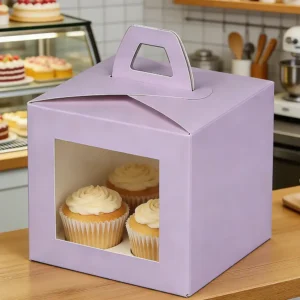
Shipping cheesecake adds a layer of complexity that retail packaging alone does not have to account for. Every packaging decision needs to be evaluated against the realities of courier transit, temperature exposure, and handling that is considerably less careful than your own.
Insulated Outer Packaging
For ambient to chilled delivery, wool-lined or foil-lined insulated boxes extend the safe temperature window significantly. These are secondary packaging solutions that sit around the primary cake box and are filled with ice packs or dry ice, depending on the transit time. The primary box should still be appropriate for the product, and the insulated outer layer handles the temperature management.
Double-Boxing for Fragile Formats
No-bake cheesecakes, extremely tall formats, and products with delicate toppings should always be double-boxed for shipping. The inner box holds the product securely, and the outer corrugated shipping box absorbs impact and compression. Void fill between the two boxes prevents movement and cushions the inner box from shocks.
Tamper-Evident Features
For delivery and e-commerce formats, tamper-evident seals or closures are increasingly expected by customers and are sometimes a regulatory requirement depending on your market. A simple tamper-evident sticker across the box closure, or a heat-sealed outer film, gives customers confidence in the product they receive.
Branding and Design Considerations for Cheesecake Packaging
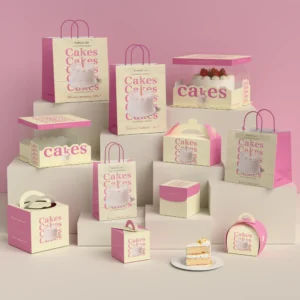
Packaging is not just protection. For a premium food product like cheesecake, it is also the most powerful marketing touchpoint your brand has. The box a customer receives or picks up from a shelf communicates your brand values before they have taken a single bite.
Print Finish and Quality
Matte lamination on premium cheesecake boxes creates a tactile, sophisticated feel that glossy finishes do not. Spot UV varnish on logos or key design elements adds a luxury touch at relatively low additional cost. For kraft-style eco packaging, a single-colour or two-colour print with a natural finish reinforces the artisan, handcrafted positioning.
Colour Psychology in Dessert Packaging
Cream, gold, deep navy, forest green, and burgundy are consistently strong colour choices for premium cheesecake brands. They communicate quality, indulgence, and craft. Avoid overly bright or neon palettes unless your brand is specifically targeting a playful, youth-oriented market. The packaging colour sets the expectation for the product inside.
Clear Product Information and Allergen Labelling
Cheesecakes contain milk, eggs, and often gluten, three of the most common allergens. Allergen information must be clearly displayed and meet the labelling regulations of your target market. This is non-negotiable from a food safety and legal standpoint. Design your packaging so allergen information is visible and legible, not buried in small print on the underside of the box.
Custom Inserts and Branded Tissue
Inside the box, branded tissue paper or a printed insert card elevates the unboxing experience significantly. Even at modest additional cost, a tissue-wrapped presentation with a branded card creates a gifting-level experience that justifies premium pricing and drives repeat purchase.
Sustainable Cheesecake Packaging: What Actually Works
Sustainability in food packaging is a genuine consumer priority, but it is important to evaluate sustainable options against the functional requirements of cheesecake. A fully compostable box that fails to protect the product during transit serves neither the customer nor the environment.
The most practical sustainable options for cheesecake packaging right now are:
- Recycled-content cardboard for boxes and base boards, which maintains structural performance while reducing virgin material usage. FSC-certified board is widely available and demonstrates responsible sourcing.
- Bagasse (sugarcane fibre) trays for individual portions, which are compostable and handle moisture reasonably well for short-term use.
- Minimal plastic reduction strategies, replacing full plastic containers with windowed cardboard alternatives where product visibility can be maintained without full clear packaging.
- Clear communication on-pack about how to dispose of the packaging correctly. Customers want to do the right thing; making recycling or composting instructions visible and simple increases the likelihood they follow through.
Errors to Avoid in Cheesecake Packaging
The packaging mistakes that cause the most damage to cheesecake brands are surprisingly consistent across different operations and scales.
- Do not choose box depth based on a standard size. Measure your actual cheesecake height with toppings and specify a custom depth if necessary. A lid that presses down on a glazed or garnished surface ruins the presentation completely.
- Do not skip grease resistance on the interior. A cardboard box that becomes oil-stained and soft before the customer even receives the product communicates exactly the wrong message about your brand and your food safety standards.
- Do not ignore the weight specifications of your box base. Test it with your heaviest product. If the base flexes, it will flex further under real transit conditions and may collapse at the worst possible moment.
- Do not use packaging that has not been tested through your actual delivery route. The conditions in your kitchen are nothing like the conditions inside a courier van. Test your packaging end-to-end before committing to any format at scale.
- Do not overlook the unboxing experience. For a product at the premium end of the dessert market, how the packaging opens, feels, and presents the product is part of what you are selling.
Final Thoughts
Getting cheesecake packaging right is not a minor operational detail. It is one of the most direct investments you can make in your brand, your customer experience, and your product’s success on the shelf or through delivery.
The right packaging starts with understanding what your specific cheesecake format actually needs, structurally, thermally, visually, and from a food safety standpoint. Then it aligns those needs with your brand positioning, target market, and logistics reality. The result is packaging that protects your product, communicates your brand’s quality, and creates the kind of first impression that turns a first-time buyer into a loyal customer.
Start with the product. Design outward from there. And never treat packaging as an afterthought, because your customers certainly will not.
 Facebook
 Twitter
 LinkedIn
 Pinterest